February 19, 2008

Mi Sitio es tu sitio

Sitio Remedios

It only seems right to begin my series on Ilocos with a post about Sitio Remedios, our home for the weekend. After seeing my friends’ photos of Sitio, I didn’t even bother checking out other resorts or hotels. I had to stay there. From that first call to the Raymund, the resort manager, until the end of our stay, there I felt from them a palpable desire to please. But never overwhelmingly so. I received a text message from him on the morning of our departure for Ilocos as he wishes us a safe voyage, during our stay to check that everything was satisfactory (he is Manila-based) and as we made our way to the airport to thank us for staying at Sitio. It was a nice personal touch that I appreciated very much.

I’m sure it didn’t hurt that we were friends of previous guests who obviously left a very positive impression but you can tell it came naturally and that they treated all their guests the same way, making you feel right at home. Like a guest at someone’s home instead of a paying customer in a resort. And Gani, our guide, who endeared us to him with his Ilocano charm, drove the van around like it was a carriage and we were the princesses in his care.
DSC_0319

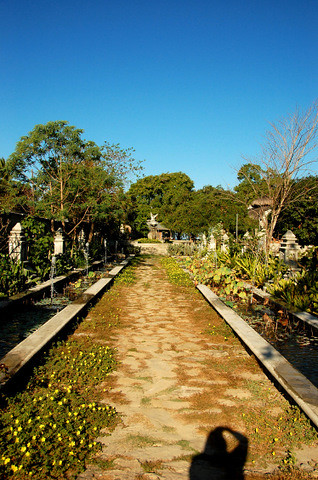
We had gone straight from the Laoag International Airport to Vigan in Ilocos Sur to save time then checked in at Sitio Remedios after dinner. If you plan to see both Ilocos Norte and Ilocos Sur, staying here makes perfect sense as it’s centrally located in Currimao. At around 9pm, Gani parked the van at the foot of a candle-lit walkway they call the Avenida de Azucao, which was lined on both sides with lotus ponds. Flashbacks of Ubud, Bali played briefly in my head. Such a serene and beautiful welcoming sight.

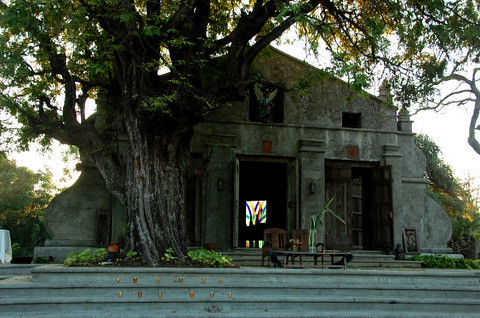
Sitio Remedios is not your typical resort by the sea. Dr. Joven Cuanang, the resort owner, built an idyllic replica heritage village complete with a Paoay church-inspired chapel and plaza shaded by old tamarind trees at its heart and turn-of-the-century balays (houses) built around it. Though all are constructed using pieces which the Doc collected from abandoned heritage homes, no two balays are the same. There are those made of stone and brick, those made of wood; there are bungalows, there are also two-story houses which can be rented as a whole or per floor; but each one as charming as its neighbor.


DSC_0315

Balay nga Puraw

We were greeted by Dr. Cuanang himself at the steps of the Iglesia de San Miguel chapel, looking right at home in his element, dressed in white shorts, white tee, flip-flops and a big smile. We gratefully took the peppermint scented cold towels and dalandan juice the staff brought out for us, as we chatted with the Doc. He seemed so carefree and jolly, it was hard to imagine him as a top neurologist and medical director of St. Lukes Medical Center.

He led us to our home on the 2nd floor of the Balay nga Puraw described in the brochure as “A two-storey, two-bedroom structure inspired by the arrival of the Americans, the cement and iron grillwork, finished in a dazzling white, hence the name Puraw (Ilocano for ‘white’). The second floor features a spacious balcony, over-looking the Chapel and Plaza Manzanilla.”. Our room was modestly-furnished with 2 king-sized canopy beds adorned with inabel (local cotton woven from natural fibers) sheets. Because the Doc strongly believes in “reviving the lost art of conversation”, there are no TV’s in any of the rooms, an amenity we did not even miss.
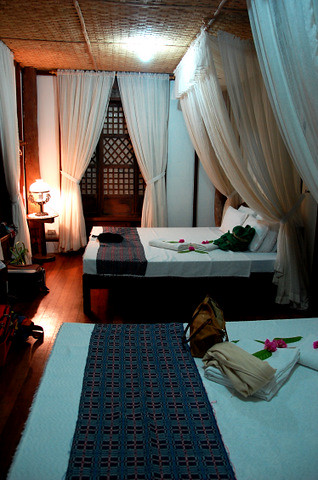
DSC_0289

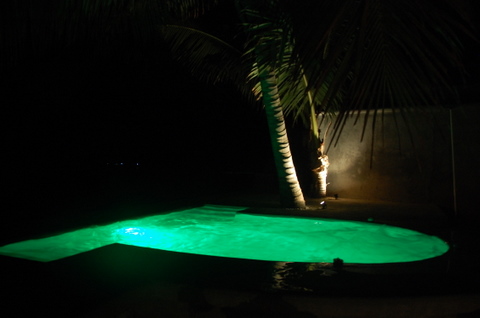
After we showered, we walked down the plaza towards the beach. The swimming pool and jacuzzi glowed brightly. There was a cool breeze blowing from the sea and we could hear the sound of chatter above the crashing of the waves on the shore. We followed the sounds to an open-air dining area where some of the other guests were gathered. The Doc invited us to join them for some hot chocolate, an offer we couldn’t refuse. I was pleasantly surprised that a fellow blogger who I had spotted at the airport earlier was among the guests. They had come for the Guling-guling festival in Paoay which is held annually on the day before Ash Wednesday. I wish we could have stayed longer for that.
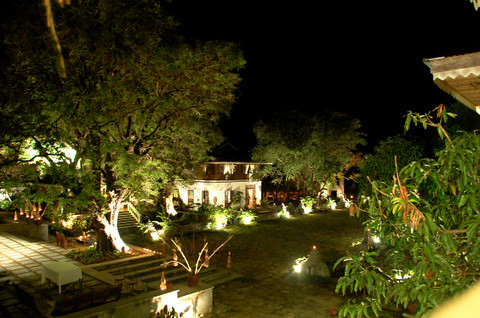
DSC_0292

Chapel steps and Plaza Manzanilla from our balcony

What was supposed to be an early night in preparation for an early start the next day, turned out to be a most enjoyable night that lasted somewhere around midnight. We chatted and listened to intriguing stories of Ilocos past, over an after-dinner feast prepared by our hosts: hot chocolate, hard biscocho (toasted local bun), impaltaw (glutinous rice cake cookd in molasses), and coffee. I was especially captivated by tales of Juan Luna and the mention of his grandmother Gorricho’s 19th century cookbook which aside from recipes, also held accounts of what was served to which guest and for what occasion. Now that was a bedtime story like no other!
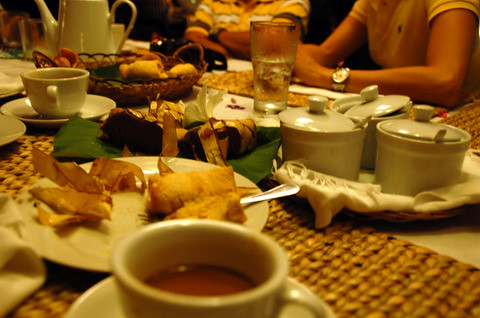
Late night snacks

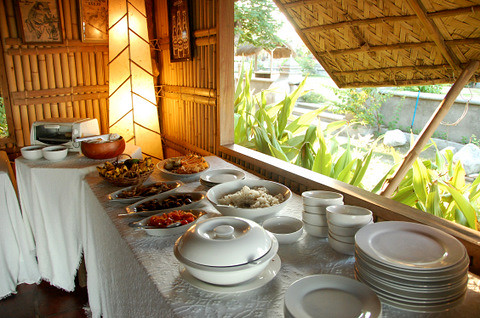
Breakfast in Sitio Remedios was always such a treat. We were each greeted with fragrant verbena from the Hawaiian-shirt clad Dr. Cuanang. He grows them in the premises. The buffet was spread out in the same open-air dining area where you can enjoy your morning coffee and fortify yourself with an Ilocano breakfast as you look out into the open sea. On both mornings, we feasted on delicious Vigan longganisa, daing (fried dried fish), tomato salad, champorado, tropical fruits, pan de sal and soft biscocho, coffee and hot chocolate.
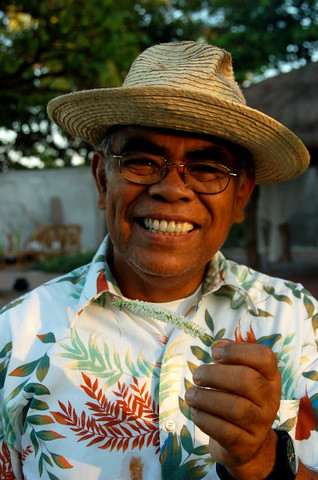
Dr. Cuanang

DSC_0343


The dinner they prepared for us on the last night was absolutely dreamy. They set up tables on the plaza which was surrounded by the soft glow of candles – candles on the chapel’s steps, candles tucked into the cobbled ground, candles on the buffet table and candles on our table. We let out a collective sigh. If they were trying to create a magical setting for our Ilocano dinner, then they can give themselves a pat on the back because magical it was.
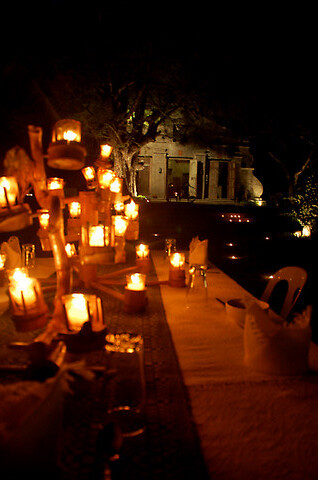
Dinner at Sitio Remedios

I’d like to come back to Sitio Remedios with no agenda, nothing but time to enjoy a glass of wine in the jacuzzi under the stars, read a book and make siesta under the shade of an old tree (I swear that bed was so inviting!), listen to more tales as told by the Doc and Rene, or just act like a sloth on the beach.

DSC_0330

the best bed in the house


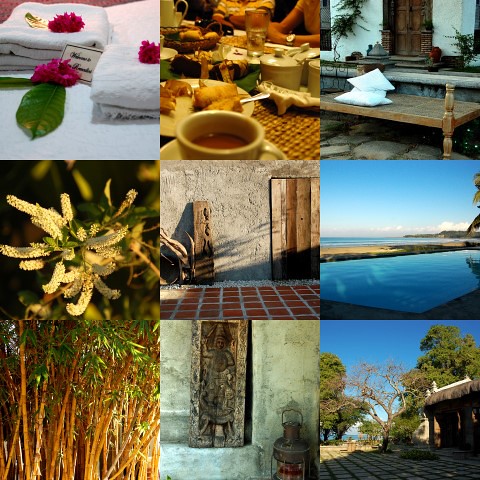
collage1

more Sitio Remedios scenes

Sitio Remedios
Barangay Victoria, Currimao, Ilocos Norte
Contact Raymund: cell: (+63)917-3320217 or email jrcb_barona@yahoo.com.ph

February 13, 2008

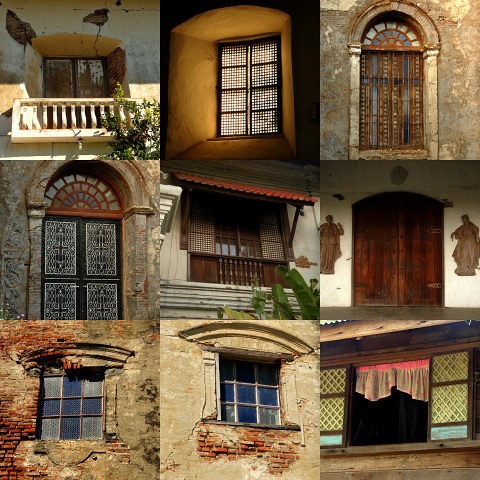
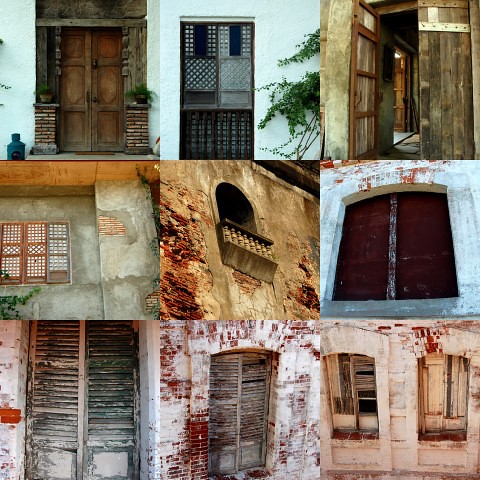
Windows (and doors) to Ilocos

Windows to Ilocos 3

I tell myself that if I'm going to dream, I might as well dream big while I try to make smaller, but no less important, dreams come true along the way. Well one of my biggest dreams is to see the world. To traverse the planet from the Northern Lights to the Southern Cross. Oh yes, big dreams indeed!

But before I go too far, I should first achieve that in my own country. The Philippines has so much to offer the thirsty (and hungry!) traveller whichever direction it's tropical winds take you. I have barely scratched the surface of this amazing archipelago.

As far as domestic travel is concerned I flew south, or drove south, majority of the time. The south was always more familiar territory, the landscape, the dialects, the food, the people... I knew more people down south than I did north of Manila. And of course there was my dad's hometown down there which we would visit at least once a year.

Windows to Ilocos 1

But not too long ago my internal compass switched direction. It's been pointing north. As far north as Batanes, a groups of islands I've vowed to conquer within the next year. But just south of Batanes and at the north-western patch of Luzon is another region that's been calling my name, Ilocos. Seducing me with it's colonial charm, unspoiled beaches, and intriguing history. I couldn't resist it any longer. And so I went with two of my favorite travel buddies, one of who most of you already know - Joey. It was wonderful! I can't believe I waited this long to go beyond Baguio!

In this trip, we peeked into the windows of our past and we ventured through the doorways of our heritage. In the coming posts, I'll do my best to share the experience with you. What may be too ambitious for words, I hope the photos will do justice.

Windows to Ilocos 2

This is what I hope to be just the beginning of many northern expeditions by this northbound suarez (I thought this was a pretty cool name to give myself considering South Bound Saurez is a track from one my favorite Led Zep albums, so humor me. :) ).

By the way, Joey will be writing her own posts about this trip so make sure you head on over to her site as well to see Ilocos through her eyes. :)

February 11, 2008

WS #23: Sunrise skydive


Dawn Skydive


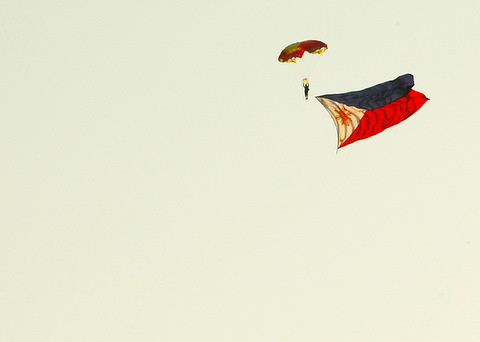
Patriotic skydiver

As the Philippine National Anthem played over the loudspeaker, this skydiver jumped out of a plane above thousands of people and unfurled the Philippine flag to officially kick-off the 3rd day of the 11th Philippine International Hot Air Balloon Fiesta in Clark Field Pampanga.

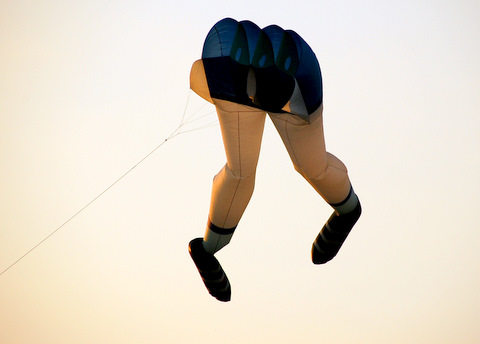
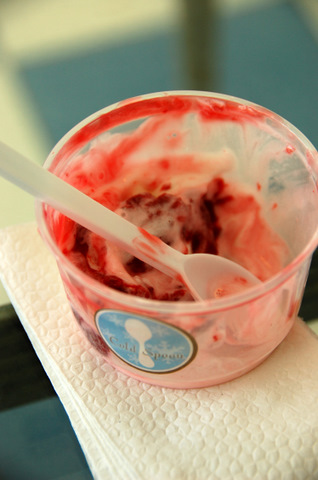
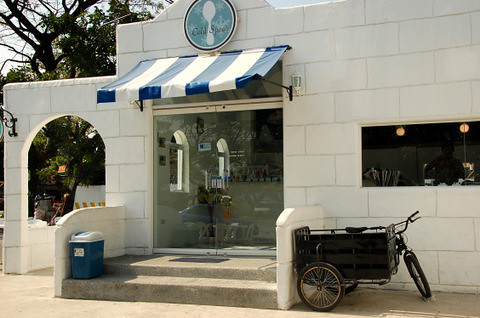
Unfortunately strong winds kept the balloons grounded all day. But we did enjoy other treats such as the sight of hundreds of kites flying at once, flying legs, some aerobatic displays, and RC demonstration flying. However, feeling frustrated still, we consoled ourselves with a delightful lunch and some wine at C's and tubs of frozen yogurt at Cold Spoon.

Since I don't have any photographs of beautiful balloons in flight for you, click here to see Sidney's set from last year's fiesta. :) Check out also the other WS photographs here. :)

February 9, 2008

Palitaw: A Sticky Situation

DSC_0994

I've had this post in my dashboard queue since Nov. 19, can you believe it? Yes, it's one of many that were in the pipeline and saved as drafts so I don't forget. Saved post titles work like the strings on Ernie's fingers for me, since I have such a bad memory. :)

I made palitaw (sticky rice treat) for the first time for my mom's surprise birthday dinner last November. With the help of my sister and her mother-in-law, we managed to pull it off without a hitch. It was an intimate affair with family and her close cousins in a dreamy garden setting.

We went with a Filipino menu because mom loves the stuff. Since I was busy in the office and couldn't risk cooking large quantities of food at home without arousing suspicion, I offered to make dessert, inconspicuous as that can be. It was also the perfect occasion to try my hand at making palitaw, one of my favorite local snacks. Yes, it's really more of an afternoon snack but it's sweet enough as a nice ending to a meal.

I wasn't sure how easy it would be until I happened upon a show on TV which had teams of expats running around the streets of Manila in an Amazing Race style contest. One of their challenges was streetside palitaw-making. Here was a bunch of foreigners who have probably never even tried the stuff much less know what the finished product is supposed to look like digging their hands into a bowl of what looked like white paste actually making decent looking palitaw. If they can do it, so can I!

A few months later, I did.

PALITAW

Ingredients :
5 cups rice flour; plus
another cup to keep your hands dry
3 cups water
1/3 cup sesame seeds or linga
1/2 cup white sugar
2 cups freshly grated coconut

Boil some water in a large pot.

While waiting for this to boil, toast the sesame seeds in a small skillet.
They burn very easily so make sure you are constantly moving the seeds. Once toasted, set aside to cool completely.

Now here is where it starts to get real sticky. Mix the rice flour with the
water until a soft mixture forms. Wash and dry your hands carefully then coat them with the extra flour. Take a pinch of dough, about a teaspoonful, and flatten it between your palms. Keeping it from sticking to your palms is the only true challenge. If it's too sticky, don't be afraid to add more flour until you form a solid patty. It took me a while to get the technique. I even had to call on my aunt's cook next door to show me how she does it.

When nicely formed, drop it gingerly in the boiling water. You can cook about three pieces at a time, depending on the size of your pot. Remove with a slotted spoon as soon as it rises to the surface. Coat it in the grated coconut and arrange on a serving plate.

Mix the sugar with the cooled sesame seeds. It's important that you don't combine it while the sesame seeds are still hot or the sugar will melt. Then you can either dust this over the coated palitaw or serve it on the side.

I'm not sure exactly how many this recipe makes, but there was more than enough for the 20 or so guests. You can freeze left over palitaw without the sugar mixutre in an air-tight container and then steam before serving.

These turned out great and was quite a hit! And I'm happy to say I wouldn't have been able to tell the difference between these and those from a popular local restaurant where I've ordered it many times. :)

February 6, 2008

Dining out in Beijing

Beijing chow

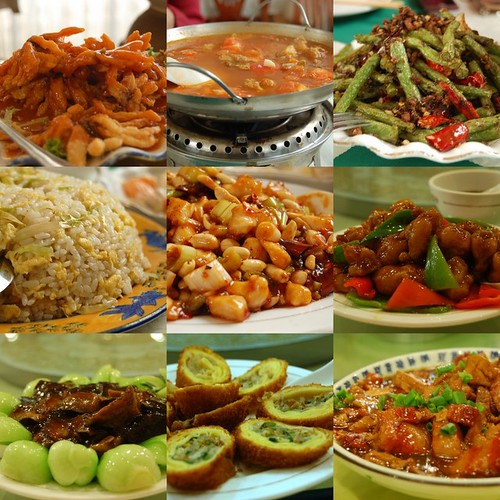
It must naturally follow that a country as diverse in ethnicity, geography and climate as China, would have an equally diverse cuisine. I'm no expert, but it seems that there are about as many types of cuisine as there are subcultures. Among the most popular are Cantonese - which is the most widely known and loved for it's dimsum and stir-frys; Sichuan and Hunan - loved by those who like it hot, the abundance of chili and peppercorns make for fiery dishes; Shanghai - dominated by fresh seafood and usually employs the method of slow-cooking it's meats in stock and wine; and of course, Beijing cuisine whose claim to fame are the hotpot, dumplings and roast duck.

I don't have a favorite from the four types mentioned above, I like them all. And I think we can all agree that Chinese cuisine is one of the finest and most popular in the world. Come to think of it, I haven't been to a country that does not have it's own little Chinatown or at the very least it's pick of Chinese restaurants. While in Beijing, we managed to sample all sorts of regional cooking. All but one lunch was part of our tour package and we were taken to a different restaurant everyday. The menu was always pre-set (see collage above) so we had no control over what we were served which kind of worried me a little. But turned out pretty good and we always had a nice variety of dishes: soup, rice, beef, fish, pork and vegetables.

A Brazilian-Chinese Churrasco

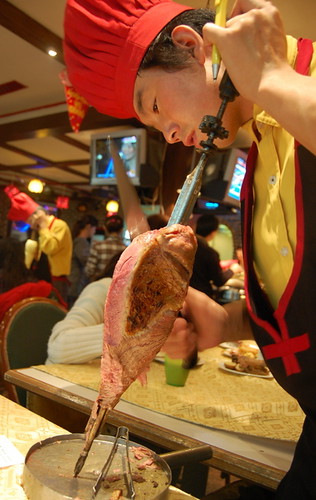
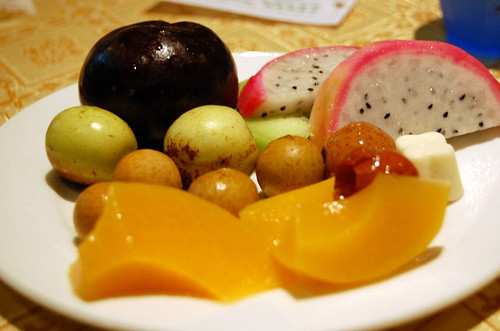
We had come to expect this every noon time, so we were quite surprised when we walked into an all-you-can-eat Chinese churrascaria. Skewers of every meat known to man, and then some!, were brought to our table and carved onto our plates. The long buffet table was filled with both western and oriental fare to accompany all that protein being heaped into our tummies. I was eyeing the fruit section from the onset, making sure I had enough space for all those lovely fruits! I love fruits. They make me happy. I love fruit for dessert, (I can hear some of you gasping!), in fact I have fruit for dessert more often than cake or ice cream. I crammed my tiny plate with plums, dragonfruit, longgan, melon, peaches, hawthorn (oops how'd that piece of white chocolate get in there?) Sweeeeeeeeeet! And this was just the first plate. :)


Fruits in China

But for dinner we were on our own and I looked forward to this everyday. It was always so much fun, hieing off to a new place every night where we indulged in good food and some wine and recapped the day's events. We dined in the following:

The Green T House: Luxe warned us this place was hoity-toity, so I knew I had to restrain myself from taking pictures of the food. Fine with me. But to not be allowed to take pictures of each other? Hmm, that's a bit much. But sshh... I managed to snap a couple of shots of the interiors here and here. heehee. I took these before I was told I wasn't allowed. The food was good, I'll give them that and the dessert was stunningly presented - in a bowl with dry ice and twigs, but we were uncomfortable the entire time. And the worst part? It was probably the most expensive meal I've paid in, umm, ever? At least we enjoyed making fun of the condescending staff when they weren't standing within earshot.

Red Capital Club - No. 66 Dongsi Jiutiao, Dongcheng District, Tel.: 86-10 8401 6152 , 86-10 8401 8886

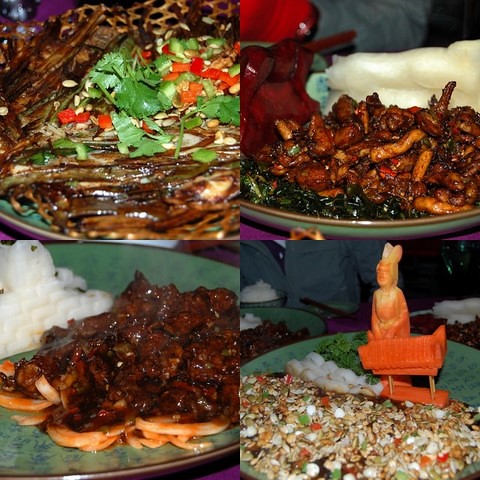
Now this place I highly recommend. I loved the concept, service, food, and ambience. We stepped back in time when we entered the circular doorway, it was 1950's communist China. The menu read like a stately dinner with names like: Dream of Red Chamber - an eggplant and peanut ensemble cooked according to a description from a classic novel of the same name; South of the Clouds - fish in braided bamboo steamed over an open flame; and the Monk's Meditation - fusion of vegetables and mushrooms. Everything was elaborately presented with intricate vegetable carvings.

Red Capital Club courtyard

Hunan food at Red Capital Club

The mood oozed nostalgia in the cigar room where it was underscored by old over-stuffed leather armchairs - all original, dusty communist manifestos that lined the shelves, portraits of Chairman Mao that hung from the walls, memorabilia crammed into every nook and cranny and staff dressed in Red Guard uniforms. I lifted one of the vintage phones and was surprised to hear the Chairman himself on the other end. Nice touch!

Dongjie Xiyuan -76 Dongsi Bei Dajie (tel 6405 5568).

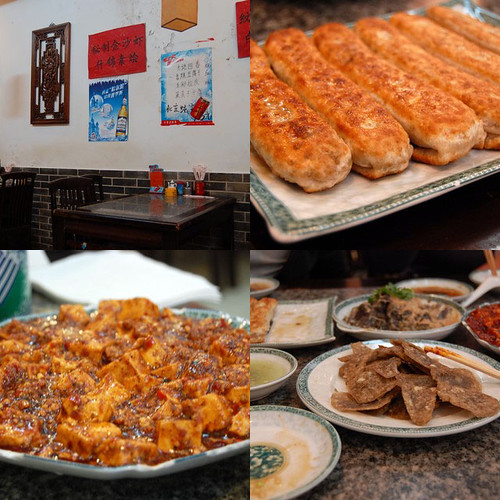
B suggested this place for our last day, she had read about it online and we all agreed it sounded intriguing. It took us a while to find it because we missed the sign which was in Chinese characters. But it was worth the trouble. This hole-in-the-wall turned out to be a breath of fresh air after all those large and crowded establishments, themed restaurants and pretentious waitresses. The specialty of the house is the dalian huoshao or Beijing-style pot-stickers filled with either pork, lamb, or beef mixed with a combination of chives, peppers, scallions or gourds. These were excellent! And we ordered more even before we finished our first plate.

Jiaozie

Zhou Lining, the proprietor herself, had taken our orders and we were relieved she spoke some English. In addition to the potstickers, we had the mapo tofu - one of my favorite Chinese dishes and this one was up to par; the zha guanchang or fried “sausage” (photo on bottom right of collage) - both its looks and taste were forgettable, and the suanni qiezi - mashed eggplant with garlic which was loved by all. All in all, an extremely reasonable yet delicious and satisfying meal. Good call, B! :)

And this concludes my Beijing series at last! Phew! I can finally work on the backlog of posts on my dashboard. Thank you for putting up with me! :)